DA Hike – The central government of India has taken a significant step toward easing the financial burden on its workforce by approving a 6 percent increase in Dearness Allowance, commonly known as DA. This decision has brought a wave of relief to millions of central government employees and pensioners who have been grappling with the relentless rise in the cost of living. The announcement signals the government’s commitment to protecting the purchasing power of those who serve and have served the nation. At a time when household budgets are under enormous pressure, this increase could not have come at a more welcome moment.
What Is Dearness Allowance and Why Does It Matter
Dearness Allowance is a component of the salary structure of government employees and pensioners, specifically designed to cushion them against the impact of inflation. It is calculated as a percentage of the basic pay and revised periodically based on the Consumer Price Index, which tracks changes in the prices of essential goods and services. The fundamental idea behind DA is simple — as the cost of living rises, the real value of a fixed salary falls, and DA acts as a corrective mechanism to restore that balance. Without such a provision, employees would find their earnings losing value every year even without any cut in their nominal salary.
The importance of DA becomes even more evident when we consider how rapidly prices have climbed in recent years. Fuel, groceries, education, healthcare, and electricity — virtually every category of essential expenditure has seen sharp increases. For a family running on a fixed government salary, each price rise chips away at financial stability, and DA revisions are one of the few ways the system responds to this challenge. The 6 percent hike, therefore, is not just a number — it represents a meaningful acknowledgment of the economic struggles that government employees face every day.

Scale of Impact: Who Benefits and by How Much
The scale of this decision is enormous. According to available information, approximately 50 lakh central government employees and around 65 lakh pensioners are set to benefit directly from this revision. Together, that is well over one crore individuals whose monthly income will see a tangible increase as a result of this single policy decision. When we consider that each of these individuals supports a family, the cumulative social impact of this hike extends to several crore citizens across the country.
The financial benefit varies depending on the basic pay of the individual employee. For someone drawing a basic salary of ₹20,000 per month, the additional income from the 6 percent DA hike amounts to approximately ₹1,200 every month. Employees at the lower end of the pay scale can expect an additional ₹800 to ₹1,500 per month, which, while modest in absolute terms, can make a real difference in managing everyday expenses. Senior employees with higher basic salaries stand to receive between ₹3,000 and ₹5,000 extra every month, providing them with greater financial flexibility. For pensioners, this increase translates into thousands of additional rupees annually, offering much-needed support during their retirement years.
Effective Date and the Question of Arrears
The DA increase is understood to be effective from January 2026, meaning the revision covers a period that has already passed. This retroactive application opens the possibility of employees and pensioners receiving arrears — that is, the accumulated difference in their pay for the months during which the higher rate should have been applicable but had not yet been formally announced. Financial experts suggest that arrears could range from ₹5,000 to as much as ₹50,000 depending on the pay grade of the employee and the number of months covered. However, the exact figures and the timeline for disbursement of arrears will only become clear once the government releases its official notification.

It is important for employees and pensioners to keep a close watch on official communications from their respective departments and the Ministry of Finance. Once the formal order is issued, payroll departments will calculate the revised amounts and incorporate them into the next salary cycle. Pensioners will similarly see the updated amount reflected in their monthly pension disbursement. Staying informed and verifying the revised figures in their pay slips will ensure that no one misses out on the benefit they are entitled to receive.
Categories of Employees Covered Under This Revision
The DA hike is applicable across a wide spectrum of central government staff, making it one of the most inclusive financial decisions in recent times. Central Civil Services employees, who form the backbone of the administrative machinery, are among the primary beneficiaries. Defence personnel — both jawans and officers — who serve under challenging and often dangerous conditions will also receive the benefit, which is a fitting recognition of their dedication. Railway employees, one of the largest groups within the government workforce, along with staff of the Postal Department, are equally covered under this revision.
In addition, pensioners from various central government departments will see their monthly pensions increase, providing them with greater financial comfort in their post-service years. The announcement may also trigger similar decisions at the state level, as many state governments traditionally align their DA revisions with the central government’s lead. This could potentially extend the benefit to a vast number of state government employees and pensioners across the country, amplifying the overall economic impact of this single central decision.
यह भी पढ़े:
 New Government Rule: Mandatory Documents for Land Registry from 2026 – Know All Details Now
What This Means for Day-to-Day Life
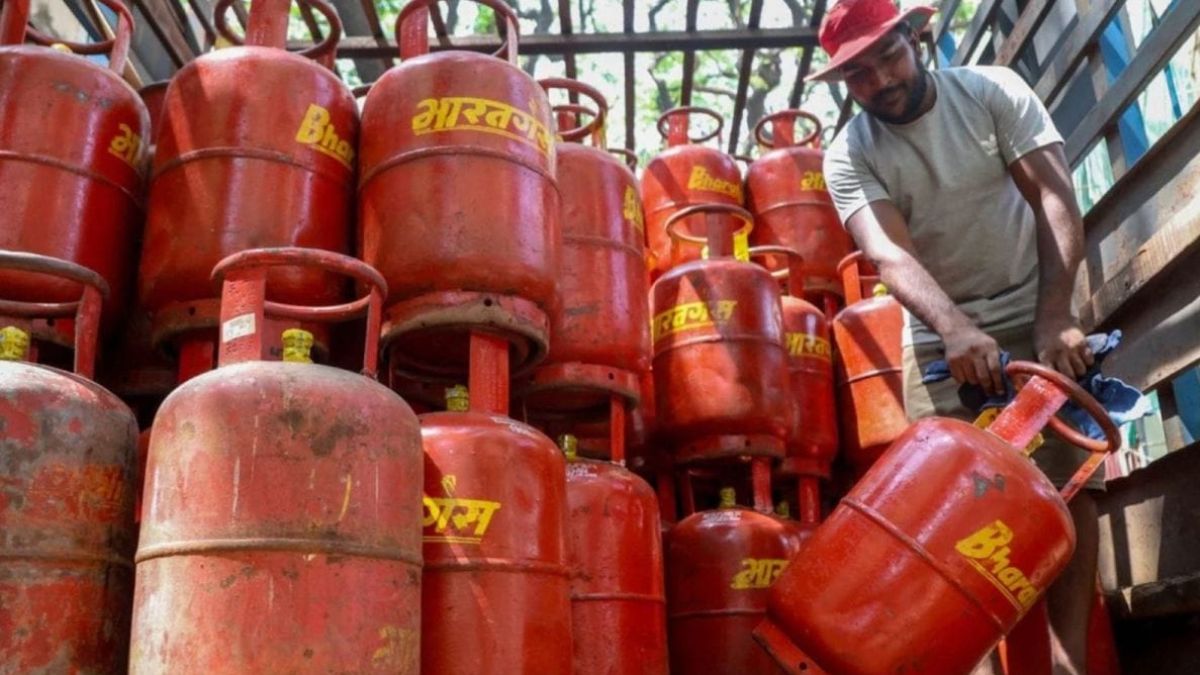
For the average government employee, the additional monthly income from the DA hike will translate into tangible improvements in daily life. The cost of cooking gas cylinders, which has surged significantly over the past few years, has been a major concern for most households, and the extra income will help absorb this recurring expense. Parents struggling to keep up with rising school and college fees will find a degree of relief, as even a few hundred extra rupees per month can ease the pressure on the education budget. Medical expenses, particularly for families with elderly members or children requiring regular treatment, can also be partially offset through this additional income.
For senior citizens who are pensioners, the impact is perhaps even more meaningful. Fixed incomes are particularly vulnerable to inflation, and for retirees who cannot seek additional employment, every rupee of increase in pension counts significantly. The DA hike ensures that their purchasing power does not erode as rapidly, helping them meet their daily needs with greater dignity and independence. In a broader sense, this decision reinforces the social contract between the state and those who have devoted their working lives to public service.
A Step in the Right Direction, But More May Be Needed
While the 6 percent DA increase is undoubtedly a positive development, experts and employee unions have noted that it is part of a routine adjustment mechanism rather than a structural reform. The rising costs of housing, healthcare, and education have outpaced salary growth for many government employees, particularly those at the lower end of the pay scale. There is a growing conversation about whether periodic DA revisions are sufficient to address the deepening financial pressures, or whether a broader review of the pay structure — possibly through a new pay commission — will be needed in the near future.

Nevertheless, the immediate relief provided by this hike cannot be understated. For millions of families across India who depend on central government salaries and pensions, this announcement represents genuine financial breathing room. The government’s willingness to act decisively in the interest of its employees, especially during a period of sustained inflationary pressure, sends an encouraging signal. As official notifications are issued and the revised amounts begin reflecting in payslips and pension credits, the true measure of this decision’s impact will be felt in kitchens, classrooms, and clinics across the country.
Conclusion: A Welcome Relief With Wider Implications
The 6 percent Dearness Allowance hike approved by the central government is more than just an incremental salary revision — it is a recognition that the people who run the country’s institutions deserve to be insulated from the financial hardship caused by inflation. With over one crore direct beneficiaries, the ripple effects of this decision will be felt far beyond government offices and pension accounts. As prices continue to rise and economic uncertainties persist, decisions like this one play a vital role in maintaining the morale, loyalty, and financial well-being of the government workforce. Every employee and pensioner is encouraged to review their updated pay and pension statements once the official order is released to ensure they receive every rupee they rightfully deserve.