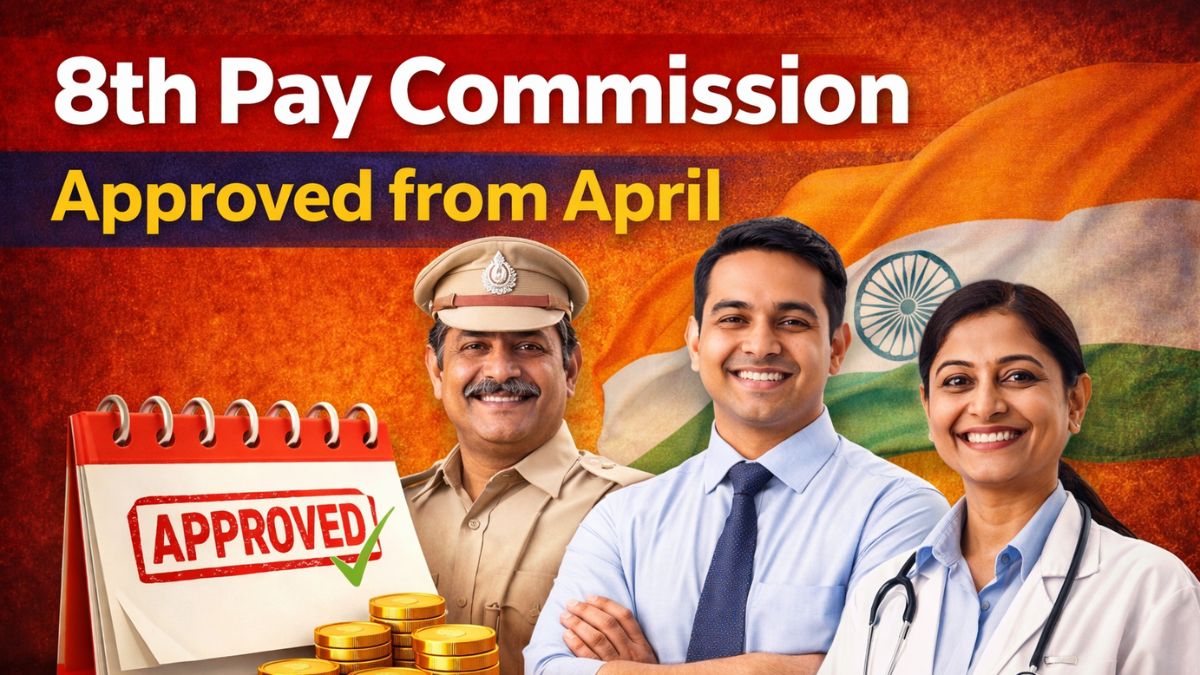
8th Pay Commission – The central government has taken a significant step forward in the 8th Pay Commission process by inviting suggestions and memorandums from employees and related organizations. A dedicated online portal has been launched to make participation easier, allowing government workers to submit their demands and recommendations digitally.
Deadline You Cannot Afford to Miss
The government has set April 30 as the final date for submitting suggestions. After this cutoff, no additional inputs will be accepted for consideration. Employees are strongly encouraged to act promptly, as missing this window could mean their concerns go unrepresented in the commission’s final recommendations.
What Makes This Commission Different
Unlike previous pay commissions, the 8th Pay Commission places a stronger emphasis on transparency and grassroots participation. Employees are being given a direct platform to voice concerns about salaries, pensions, allowances, and promotions — areas that were largely handled at the departmental level in the past. The government is also encouraging broad participation across all departments and organizations.

Who Is Eligible to Submit Suggestions?
The commission has opened its doors to a wide range of participants, including:
- Central government employees
- Armed forces personnel and officers
- All India Service officers
- Employees from Union Territories
- Employee unions and associations
How to Submit Your Suggestions Online
The process has been kept straightforward and user-friendly:
- Visit the official portal at 8cpc.gov.in
- Navigate to the Memorandum section
- Log in using your mobile number or email address
- Select your employee category
- Enter your demands or suggestions
- Submit the form
What Changes Are Employees Hoping For?
There is considerable anticipation among the workforce regarding potential reforms. Key expectations include:

- A hike in basic pay and minimum wages
- Improvements in pension structures for retirees
- Streamlining of the promotion process
- Revision of allowances such as Dearness Allowance (DA) and House Rent Allowance (HRA)
These changes, if implemented, could benefit millions of serving employees and pensioners across the country.
When Will the 8th Pay Commission Come Into Effect?
The commission is expected to take approximately one to one-and-a-half years to finalize its report. Implementation is projected around 2026–27, after which the government will make its final decision on salary revisions. The actual enforcement will depend entirely on the government’s official announcement.
Why This Matters for Every Government Employee
Participating in this process is directly linked to employees’ financial futures. Timely submission of demands increases the likelihood of those issues being factored into the commission’s recommendations. With rising living costs, employees stand to gain significantly from a well-structured revision in wages, benefits, and retirement provisions.