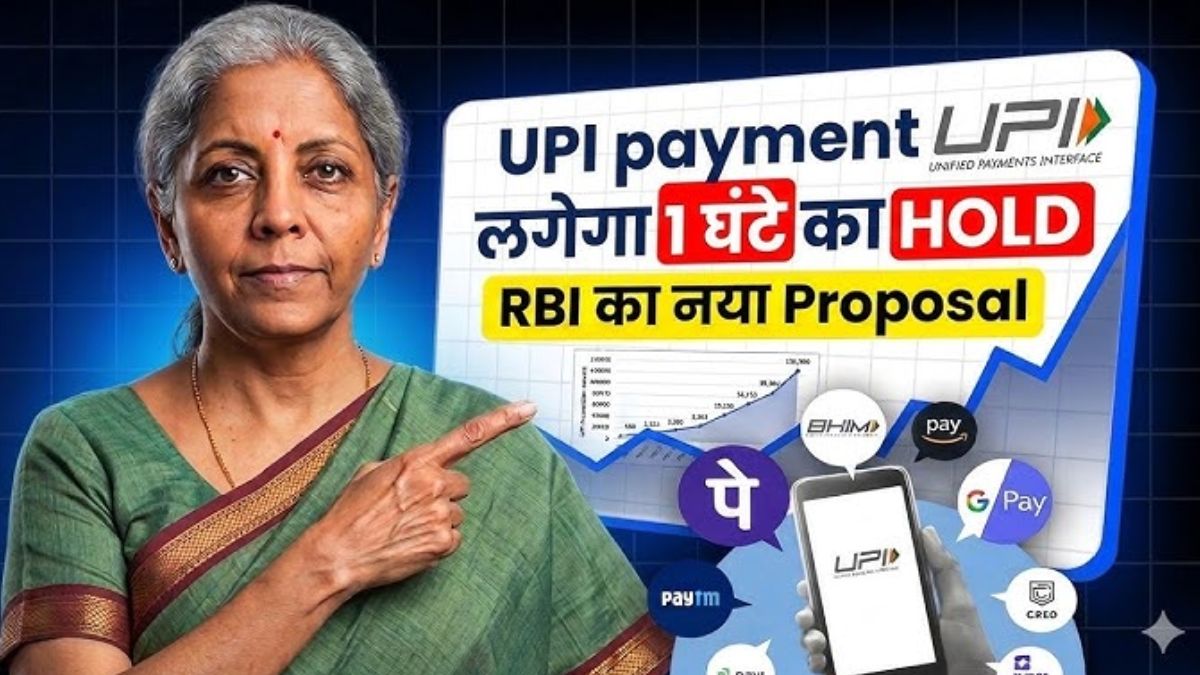
New UPI Rules – India has witnessed one of the most remarkable transformations in its financial history over the past decade, and at the heart of this change lies the Unified Payments Interface, widely known as UPI. What began as a simple idea to enable instant bank-to-bank transfers through smartphones has evolved into a full-fledged digital economy backbone that touches nearly every corner of the country. From busy metropolitan marketplaces to quiet rural villages, UPI has quietly reshaped how billions of rupees change hands every single day. The year 2026 has brought yet another chapter in this journey, with a fresh set of rules and upgrades designed to make digital payments faster, more reliable, and significantly more secure.
Understanding the Scale of UPI’s Growth
Before diving into the specifics of the new regulations, it is important to appreciate just how deeply UPI has penetrated everyday life in India. Millions of transactions take place every hour across the country, spanning everything from vegetable purchases at roadside stalls to high-value business settlements between large corporations. The platform has effectively democratized access to financial services, enabling people who never had bank accounts or credit cards to participate fully in the modern economy. This explosive growth naturally comes with the need for continuous regulatory evolution, which is exactly what the 2026 updates aim to address.
What Has Changed: Transaction Limits and Process Updates
One of the most discussed aspects of the new UPI framework involves changes to transaction limits, both on a per-transaction basis and across daily usage caps. The updated system has been designed with flexibility in mind, accommodating the needs of small everyday purchases as well as larger financial obligations without unnecessary friction. Whether someone needs to pay a modest amount for a street-side meal or transfer a significant sum for a business deal, the revised limits ensure that the process remains smooth and hassle-free. Additionally, certain categories of transactions may now require an extra layer of verification, which is intended to add a protective shield against unauthorized payments.

The process of initiating and completing a UPI payment has also been streamlined considerably. Banks and payment platforms now communicate through improved technical protocols that reduce the chances of failed transactions or delays. Users who have previously experienced the frustration of payments getting stuck or being erroneously deducted will find the new system far more reliable. These behind-the-scenes upgrades may not always be visible to the average user, but their impact is felt every time a payment goes through instantly without any glitches.
Benefits for Everyday Consumers
For the ordinary citizen, the revised UPI rules translate into a noticeably better experience when managing money in daily life. The ability to transfer funds at any hour of the day or night, from anywhere with a mobile connection, represents a level of financial freedom that was unimaginable just a generation ago. People no longer need to carry physical cash, visit bank branches during working hours, or stand in queues to accomplish basic financial tasks. The new regulations reinforce and enhance these conveniences, ensuring that the system continues to evolve alongside the growing expectations of its user base.
Interoperability across different banking apps and payment platforms has also been strengthened under the new guidelines. A user operating through one app can now seamlessly send money to someone using a completely different payment application, without any compatibility concerns or additional charges. This openness of the ecosystem encourages healthy competition among service providers, which ultimately benefits consumers through better features, improved interfaces, and more responsive customer support. The goal is a unified experience regardless of which financial institution or technology company a person chooses to work with.

A Game-Changer for Merchants and Small Businesses
The business community, particularly small and medium enterprises, stands to gain enormously from the updated UPI framework. Shop owners, freelancers, and micro-entrepreneurs can now accept payments more quickly and efficiently, reducing the time spent handling cash and maintaining physical records. A QR code scan is all it takes to complete a sale, and the funds are reflected almost immediately in the merchant’s bank account, improving cash flow and business planning. This immediacy is especially valuable for businesses with tight operating margins that depend on rapid fund availability.
Larger e-commerce platforms and retail chains are also benefiting from enhanced stability and higher transaction throughput under the new rules. The ability to handle a greater volume of simultaneous transactions without slowdowns means that festive sales, flash deals, and peak shopping periods no longer put undue strain on the payment infrastructure. Record-keeping has become more automated and accurate, making it easier for businesses to reconcile accounts, file taxes, and manage audits. For a country where millions of small businesses operate largely on informal credit systems, the shift to digital records is a significant step toward financial formalization.
Security: The Cornerstone of the 2026 Updates
Perhaps the most critical aspect of the new UPI regulations is the heightened emphasis on security. Cybercrime and digital fraud have grown in parallel with the rise of digital payments, and regulators have responded with a robust set of protective measures built into the updated system. Advanced encryption standards now govern every transaction, making it exponentially harder for malicious actors to intercept or manipulate payment data. The combination of OTP verification, biometric authentication options, and behavioral analysis tools creates a multi-layered defense that is far more sophisticated than what was in place even a few years ago.

In cases where fraud does occur, the dispute resolution and complaint mechanisms have been made considerably more user-friendly. Earlier, victims of unauthorized transactions often had to navigate complicated procedures and long waiting periods before receiving any redress. The revised framework mandates faster turnaround times for investigations and places a greater burden of accountability on banks and payment service providers. This improvement in post-fraud support has been instrumental in rebuilding consumer confidence and encouraging even cautious individuals to try digital payments for the first time.
Expanding Access to Rural and Underserved Areas
One of the most socially significant goals embedded in the 2026 UPI reforms is the push to extend digital payment access beyond urban centers. While cities have largely embraced cashless transactions, vast stretches of rural India still rely heavily on physical currency due to limited smartphone penetration, unreliable internet connectivity, and a general unfamiliarity with digital tools. The new rules include provisions and incentives designed to bring more of these communities into the digital fold, recognizing that true financial inclusion can only be achieved when no one is left behind. Simplified onboarding processes and support for feature phones are among the practical measures being implemented.
Banking correspondents and local business owners in semi-urban and rural areas are being equipped and trained to serve as gateways into the UPI ecosystem for those who are not yet digitally literate. Government schemes and awareness campaigns are working in conjunction with the regulatory changes to build trust and familiarity among first-time users. As mobile internet infrastructure continues to improve across the country, the conditions are becoming increasingly favorable for UPI to become as universal in rural India as it already is in its cities.

Looking Ahead: The Future of Digital Payments in India
The trajectory of India’s digital payment landscape points unmistakably toward a future where cashless transactions are the default rather than the exception. With each successive round of regulatory improvements, UPI is becoming more capable of handling the demands of a rapidly modernizing economy. Emerging technologies such as artificial intelligence and machine learning are being integrated into fraud detection and customer service systems, promising an even more intelligent and responsive payment experience in the years to come. The groundwork being laid today will determine how smoothly India’s financial system operates for the next generation of users.
The 2026 UPI rule updates are not merely technical adjustments — they represent a deliberate and thoughtful effort to build a payment infrastructure that is worthy of India’s ambitions as a global digital economy leader. For consumers, merchants, and institutions alike, understanding and adapting to these changes is not just a matter of convenience but of staying relevant in an increasingly connected world. Those who embrace this digital shift stand to benefit enormously, while the system as a whole grows stronger with every transaction it processes.